 Skip to content


Thinking about selling your equipment rental business can feel heavy. Pricing, finding qualified buyers, and keeping things quiet are real worries. The good news, the equipment rental industry is strong right now and worth $87.5 billion. Many owners get a fair deal by proving solid profit margins and showing well-kept construction equipment.

This guide keeps it simple. You will see how a business broker adds value, which documents to organize, and which seller mistakes to avoid. You will also get clear tips to raise market value and protect cash flow. Short steps will carry you from planning to a smooth close while you stay in control. Ready to boost your business value and your confidence in the process? Keep reading.
Key Takeaways
- The equipment rental industry is valued at $87.5 billion. Mergers surged in 2023, so timing is favorable for sellers.
- Use three years of GAAP financials, clean asset audits with serial numbers, and accurate customer data to prove cash flow and market value.
- Business brokers like SellerForce use secure data rooms and broad buyer networks. Many sales close at higher prices than for sale by owner.
- Many business valuations rely on EBITDA multiples. Companies with long term contracts may sell near 5 to 6 times SDE, but results vary by fleet age, location, and compliance.
- Plan early, avoid overpricing, involve trusted advisors, and expect a six to twelve month sale window in most cases.
Preparing to Sell Your Equipment Rental Business
Preparing your equipment rental company takes planning, a clear business valuation, and accurate books. Overpricing or weak documentation can damage buyer trust and reduce your final price.
Common Mistakes of Business Sellers
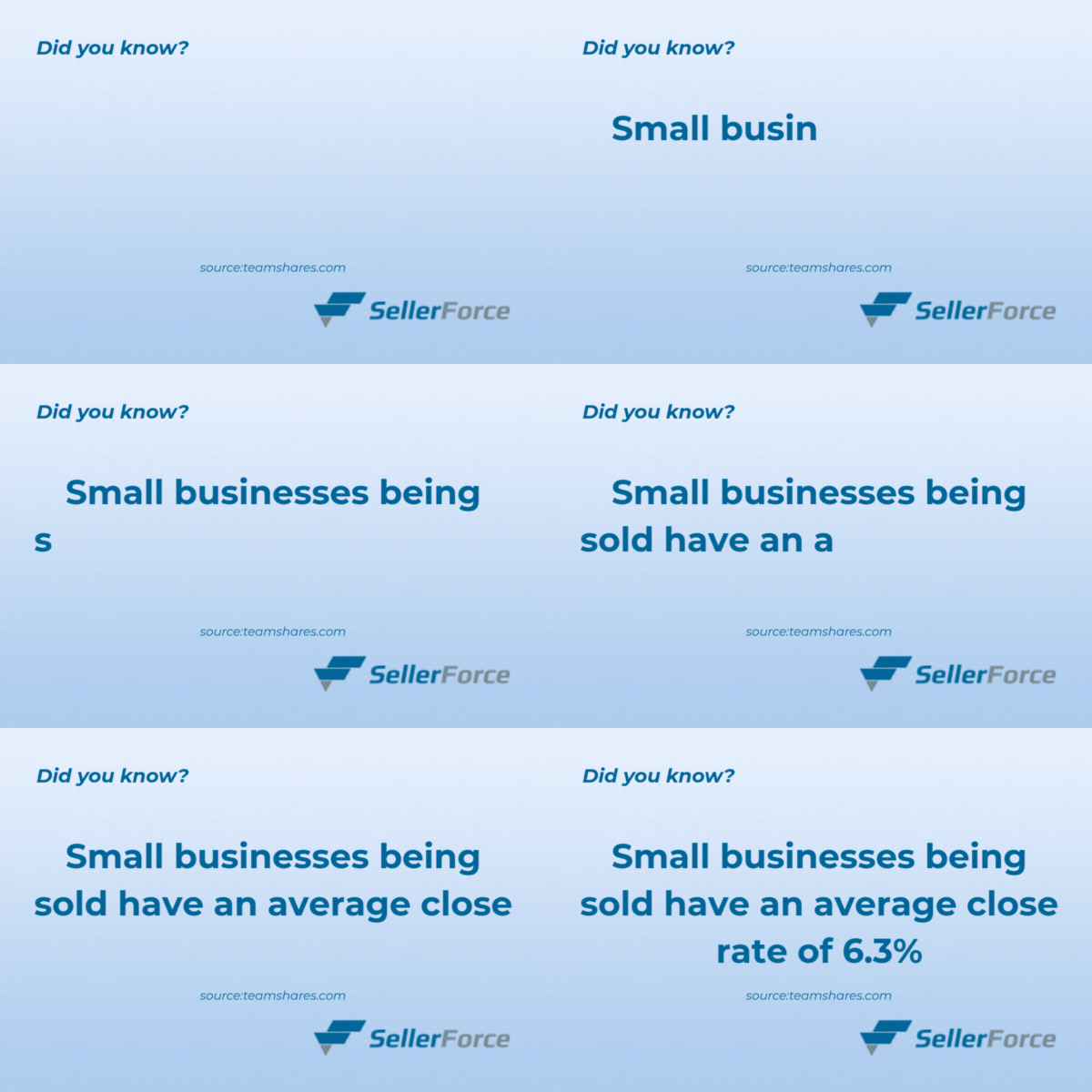
Rushing to list without a plan often leads to a lower price. Many owners skip performance reviews or forget a detailed asset audit, which hurts market value and makes cash flow look risky.
Poor financial statements also weaken your case. Buyers care about EBITDA margin, which is earnings before interest, taxes, depreciation, and amortization divided by revenue. They also study utilization rates and the share of recurring revenue. Weak confidentiality can leak news to employees or customers, which can stress your team and harm brand reputation. Selling alone might save fees, but it can limit buyer reach and reduce leverage in price talks.
Compliance gaps slow mergers and acquisitions. Thin branding, missing records, no CRM use, and weak digital marketing all drag down valuation before you even reach a letter of intent, or LOI.
Steps to Take to Prepare Your Business for Sale
Start with a performance review to map strengths, cost drivers, and revenue streams. Track key performance indicators like gross profit margin and utilization. Note your customer segments in your customer relationship management system, or CRM.
Gather at least three years of GAAP financial statements, including income statements, tax returns, and balance sheets. Separate personal costs from business expenses to show clean cash flow.
Build an asset audit. List every unit by type, age, hours, condition, current value, and serial number. Keep maintenance logs and proof of ownership. Engage a skilled business broker with industry experience. A good broker can target strategic buyers and run due diligence efficiently. Most deals take six to twelve months, so start early if you want to retire or step back.
Conduct performance review
Begin with your core numbers. Check utilization rates for each rental unit. Build a simple inventory matrix to track age, rental history, and condition. Older assets lose value faster due to depreciation, so factor that into your business valuation.
Break down cash flow by revenue stream and by month and year. Study net profit margin by customer type such as commercial, government, or industrial rentals. A diverse customer mix lowers risk if one segment slows. Estimate average lifetime value per client using CRM data to spot trends.
- Not knowing your EBITDA can lower market value. EBITDA is earnings before interest, taxes, depreciation, and amortization.
- Outdated asset audits cause pricing errors during mergers or acquisitions.
- Weak cost control gives buyers reasons to discount your price.
- Overlooking utilization rates leaves money on the table.
- Dependence on one large client raises risk. Work toward a balanced customer mix.
- Delays in OSHA inspections can harm reputation and scare buyers.
- Skipping staff training creates skill gaps and reduces operating profit margin.
Fix these gaps before you list. Doing so helps raise business value and return on investment for qualified buyers who shop broker platforms and private listings.
Prepare financial statements and asset audit
Gather at least three years of GAAP-compliant financial statements, including income statements, balance sheets, and tax returns. Organized records show steady or growing cash flow and support your asking price.
Centralize documents so your broker and advisors can review them quickly. Clean books shorten due diligence and build confidence.
List each piece of construction equipment rental inventory by type, age, condition, serial number, and fair value. Please include proof of ownership and maintenance logs, as the working condition is important. A strong asset audit improves business valuation accuracy and helps sophisticated buyers assess market value fast.
Engage business brokers
Business brokers run marketing and screen buyers for your rental company. They use confidentiality agreements before sharing details, which protects sensitive data from competitors and suppliers.
Good brokers qualify buyers for funding and experience, so only serious prospects reach you. This saves time and lets you focus on utilization, cash flow, and day to day operations. You can start with a private call or a secure online form. Many sellers rely on brokers to find strategic buyers across the equipment rental space.
A broker also manages due diligence, checks your CRM data, and handles paperwork. You keep business performance on track while an expert runs the sale process.
The Role of Business Brokers When Selling Your Equipment Rental Business
Business brokers use networks and experience to connect you with qualified buyers quickly. They lead business valuation, marketing, due diligence, and secure document sharing through online data rooms or CRM tools.
- Do a full performance review before you list.
- Keep financials current and audit your equipment assets.
- Plan your exit strategy, including timing and your role after close.
- Share key facts during due diligence. Surprises kill deals.
- Screen strategic buyers, since weak fits can waste time and hurt value.
- Document standard operating procedures to make the transition smooth.
- Support any claims about intangible assets with proof, or risk losing offers.
- Plan taxes before you sign a letter of intent, or LOI.
Why Hire a Business Broker?
A broker like SellerForce brings more than 20 years of industry experience and has managed over $2 billion in closed transactions. Their buyer lists include competitors, private equity firms, strategic buyers, and equipment dealers. This reach often raises price and improves terms.
The broker runs marketing, buyer screening, and secure sharing in an online data room. This reduces risk from poor records or weak buyer vetting. They guide you from valuation through due diligence and negotiation. Most brokers work on commission with no upfront fee, which keeps them focused on your best result.
Business Valuation Techniques

Valuation usually starts with financial metrics. EBITDA is earnings before interest, taxes, depreciation, and amortization. SDE, or Seller’s Discretionary Earnings, is owner profit plus add backs. Companies above $1 million in revenue often price on EBITDA multiples.
Contract type matters. Long term contracts often get 5 to 6 times SDE. A balanced mix may get 4 to 5 times. Mostly short term work can land at 3 to 4 times SDE. Buyers also study fleet age, market position, customer mix, owner dependence, and documentation quality.
Some buyers run discounted cash flow, or DCF, with a discount rate and a terminal value to triangulate price. Clean maintenance logs and replacement plans increase confidence and support a higher valuation multiple. Urban demand can lift price compared to rural markets. Newer fleets need fewer repairs, which supports stronger utilization and cash flow.
Managing Due Diligence Processes
A clear business valuation sets the stage, but buyers will still verify everything during due diligence. Be ready to share revenue streams, cash flow statements, maintenance logs, and customer mix.
Use GAAP standards so numbers tie out. Build an online data room with utilization reports, profit statements, leases and sublease files, Occupational Safety and Health Administration records, intellectual property, tax deferral documents, and deductions. Fix legal gaps before you open the room. Buyers expect clean contracts and up to date compliance.
Grant access only under a non-disclosure agreement. Prepare to explain your EBITDA multiple logic and your competitive advantages. Fast and clear answers keep trust high.
Strategies for Marketing Your Business
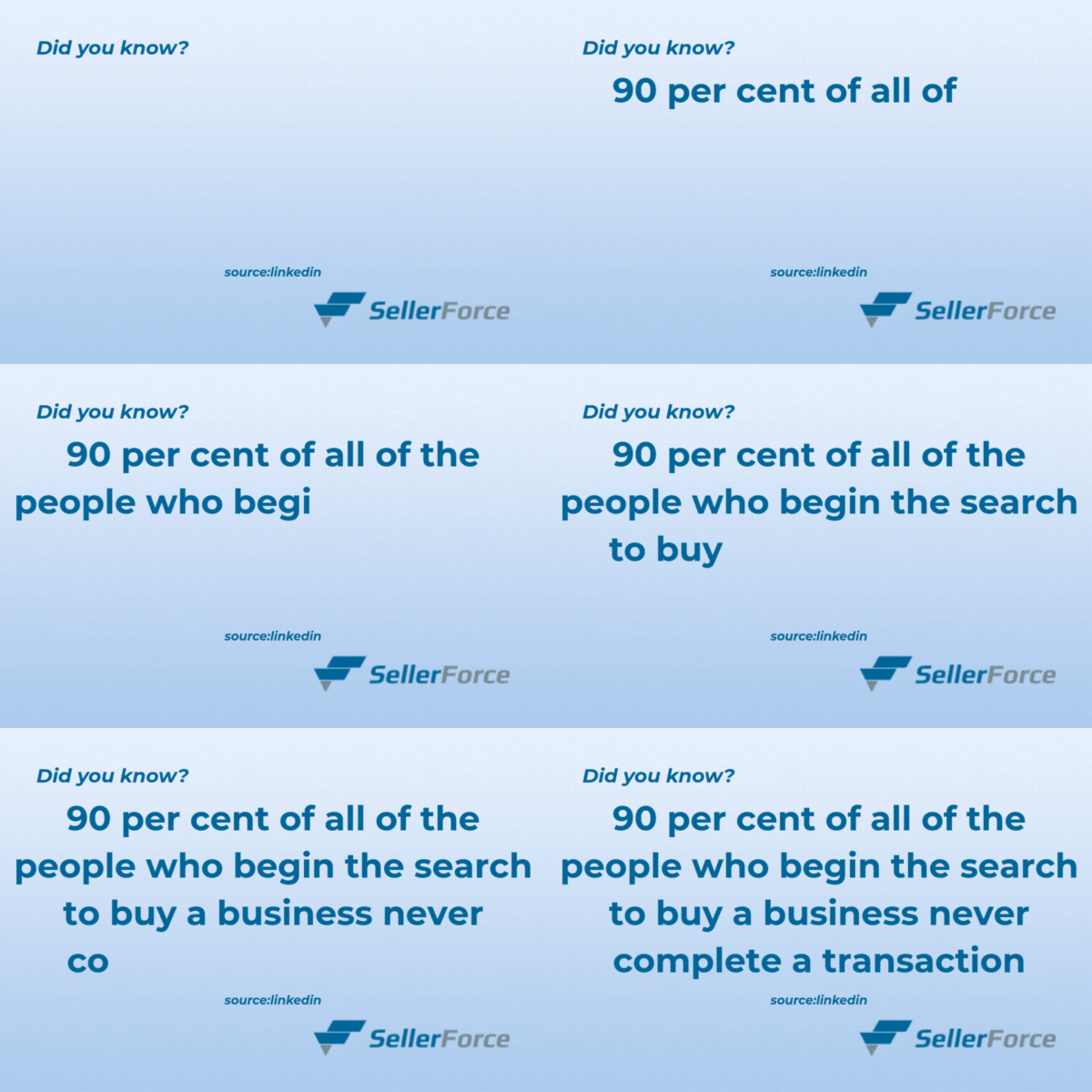
After you organize the data room, your broker builds interest with targeted marketing. Tactics include select online listings, quiet email outreach, or let experienced brokers handle it. Attracting multiple buyers can raise price and improve terms. Letting expert brokers handle your business sale will give a better outcome because, based on studies, 90% of listings on marketplaces NEVER sell.

Brand strength matters. Solid reviews, helpful case notes, and basic SEO improve your online presence. Share market trends like industry growth and strong utilization to support your valuation. Keep sensitive details in the data room and give deeper access only to qualified buyers.
Key Points from Common Marketing Mistakes of Business Sellers:
- Do not price your business based on hope. Use data.
- Keep every record current and accurate.
- Expect questions on cash flow and KPIs. Answer with proof.
- Plan taxes and your exit path with trusted advisors.
- Use a professional business broker. For sale by owner often limits exposure and price.
Strategic presentation matters as much as strong numbers. A clear story can drive real competition and better letters of intent.
Screening Potential Buyers Through Broker Networks
After marketing, top brokers screen each buyer. They review background, funding, and deal fit before any introduction. This filters out noise and protects confidentiality.
Strategic buyers, like regional competitors or groups expanding fleets, may pay higher EBITDA multiples for strong brands or sticky customer relationships. Private equity groups focus on steady cash flow, growth, and a clear plan for reinvestment. Individual buyers may ask for seller financing or training during the transition period. Careful screening saves time and brings only real offers to the table.
Using an Online Data Room for Confidentiality
Secure online data rooms let brokers share financials, equipment audits, and legal files safely. Access requires a confidentiality agreement. Only vetted buyers and advisors can see details like cash flow, EBITDA multiples, or asset lists.
Owners control who views, downloads, or prints sensitive items such as KPIs and market value reports. This structure lowers risk while you move from first talks to LOI and final terms.
Why Work with SellerForce
Our brokers at SellerForce are well-versed in the equipment rental industry, providing comprehensive support for business valuation, marketing, and deal flow throughout the entire process. The team has trusted,experienced business brokers with access to strategic buyers to move deals forward.
Expertise in Local Market Conditions
Local insight often shifts value. SellerForce tracks regional growth, new projects, and population shifts to spot strong demand for construction equipment rental businesses. New roads or energy work can increase need for rentals in your area.
Our team also follows state and county rules. Tighter safety standards can raise costs, but they often reward companies with clean compliance. By combining CRM data, cash flow, and utilization by region, we help your company stand out where demand is rising.
Access to Extensive Professional Networks
SellerForce connects sellers to a wide network of active buyers. This includes local equipment dealers, industry advisors, private equity investors, and strategic buyers in construction equipment rental. Broad reach can spark competition among qualified buyers and improve your terms.
Faster exposure means more eyes on your asset audit and financials. Decision makers who understand market value, utilization, and valuation multiple logic see your brand at its best. That often leads to stronger offers.
A History of Successful Sale Transactions
More than $2 billion in closed deals shows deep experience with equipment rental sales. Past work includes staff transitions, asset audits, lease handoffs, and cash flow reviews.
Deal teams have managed complex negotiations for large fleets. We used proven valuation methods such as EBITDA multiples, market comps, and DCF checks to anchor price. Our advisors guided sellers through due diligence while protecting confidentiality with data rooms. These steps helped attract qualified buyers who value reliable revenue streams and durable customer mixes.
Additional Tips for Selling Your Equipment Rental Business
Small changes can add real value. Clean books, healthy customer acquisition, and a steady brand story build trust and price.
Understanding the Market Trends
Mergers and acquisitions hit records in 2023. Many buyers are expanding into new regions and niche tool sets to grow faster than organic expansion. Customer diversity matters too. Serving residential, commercial, and government work can smooth revenue through cycles.
A strong online presence helps you win new customers and supports market value. Specialized equipment rentals often draw interest from insiders and outside investors who want stable cash flow.
Optimal Timing for Market Entry
Owners who plan a sale before retirement often see better offers. Today’s industry growth and strong demand favor sellers, especially in construction and industrial rentals.
Buyers pay more for steady cash flow, healthy revenue trends, and a balanced customer mix. Aligning your sale with local projects can boost price. Watch for infrastructure plans and city growth in your region.
Negotiating Sale Terms with Buyers
Clarify which equipment is included, how staff will transfer, and the status of leases. Clear debt items before closing. Many buyers want a short transition period for training and customer handoff.
Define the price structure, payment timing, non-compete terms, and needed IRS forms. Form 4797 applies to capital gains and depreciation recapture. Spell out how working capital will be handled at close, since this prevents disputes. Involve your accountant and an experienced broker from SellerForce to protect your bottom line.
Conclusion
Selling an equipment rental company works best with a simple plan and clean proof. Focus on a clear story, a strong online presence, and accurate financial records. Avoid common mistakes like weak documentation or overpricing. A skilled business broker can screen buyers, run due diligence in a secure data room, and help set a fair EBITDA multiple based on a real asset audit.
The industry is large and active, which means more qualified buyers and better offers for well-prepared sellers. With SellerForce, we have a 100% success-based service with no upfront fees, which gives you the confidence that we will aim for the maximum valuation, market to vetted buyers for faster transactions, and handle the negotiations like clockwork for the smoothest, most streamlined transaction in the shortest possible time. Contact us today for a free consultation!


